How to Book a Madagascar Safari: A Traveler's Guide
Reserve your Madagascar safari during the dry season, roughly April to November, and book two to four months ahead if you want peak dates and the better lodges. The second decision matters just as much: book directly with a Madagascar-based operator so your money pays for the trip, not a reseller's margin. This guide walks through when to reserve, what a private trip should include, which policies to check, and how to move from a first email to a confirmed Tsingy and Baobab itinerary.
Demand is real and rising. Madagascar recorded 248,140 international arrivals in the first three quarters of 2025, a 9.13 percent increase over the same period a year earlier (India Outbound, 2025). Popular lodges near the western parks have limited rooms, so the good dates go early.

When and Where to Reserve a Guided Safari
The best window for western and northern Madagascar is the dry season, from about April through November, with June to September as the reliable core. During these months the dirt tracks to the interior stay passable and wildlife gathers around shrinking water sources, which makes sightings easier. In the wet months, roads to the deep west can close, and some parks become unreachable.
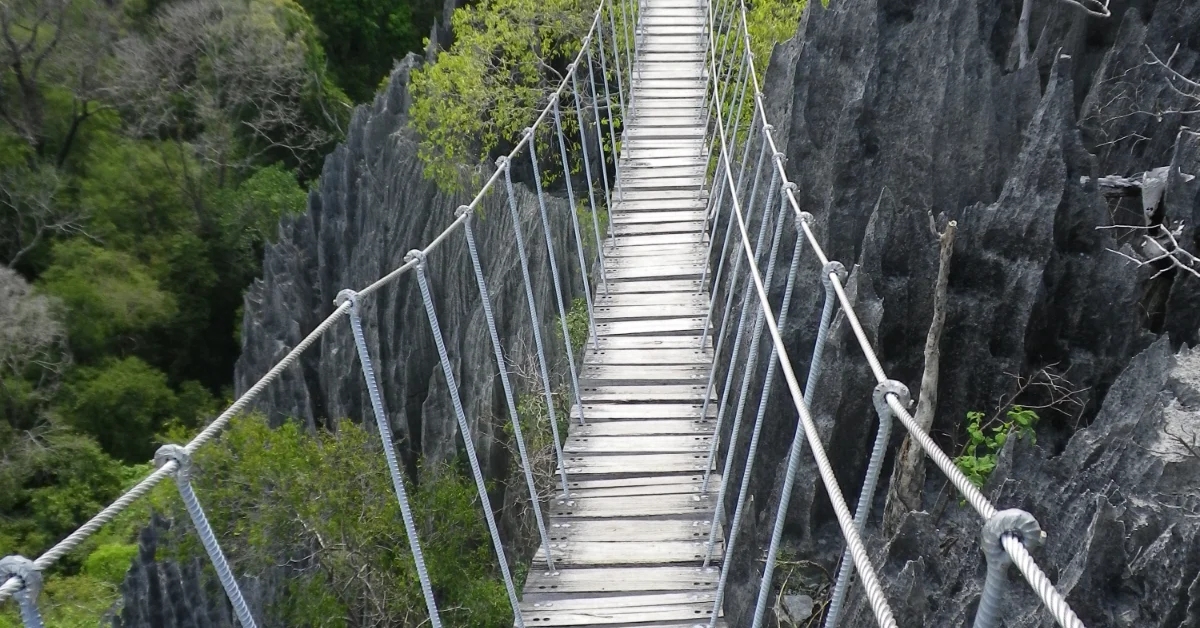
Western Madagascar is the classic safari zone. The Avenue of the Baobabs near Morondava delivers the postcard sunset, and Tsingy de Bemaraha, a UNESCO World Heritage site, offers razor-sharp limestone pinnacles and canyon walks. The north, around Diego Suarez and Ankarana, adds more karst scenery and a different set of lemurs. Northern parks are drivable across a longer season than the far west.
Reserve as soon as your dates are firm. For peak season, two to four months of lead time is sensible, and longer if you need specific lodges or a particular guide. The phrase travelers often search, "safari Madagascar réservation," signals someone ready to commit, and acting early is what separates a smooth trip from a scramble for leftover rooms.
What a Private Safari Reservation Includes
A private reservation should bundle the parts that are hard to arrange alone: a lead guide, a vehicle, permits, and lodging. In practice, a well-built quote from a Madagascar operator covers an English-speaking guide, a 4x4 with a driver, national park entry permits, the mandatory local park guides each reserve requires, and your accommodation along the route. Private means the vehicle and the schedule are yours, not shared with strangers.
Read the inclusions line by line, because the gaps are where surprises hide. International and domestic flights are frequently excluded. Some meals, bottled water, drinks, and tips are often extra. Park fees in Madagascar are set by the authorities and can change, so confirm whether the current permit cost is baked into your price or billed separately on the day.
A capable operator also handles the quiet logistics that make a remote route work: the river ferry crossings toward Bemaraha, fuel in places with no stations, and a backup plan when a track floods. Tsingy-tour-madagascar, for example, builds these contingencies into the private itineraries it sells rather than leaving them to the traveler. Ask any operator to spell out exactly who carries that responsibility on your trip.
Deposit, Payment, and Cancellation Policies to Check
Before you pay anything, get the money terms in writing. Reputable operators ask for a deposit to hold your dates, commonly a share of the total, with the balance due closer to departure. Confirm three numbers: the deposit percentage, the exact balance deadline, and whether any booking fee applies. A clear schedule is a good sign; vague terms are not.
The cancellation policy deserves equal attention. Ask how refunds work at different distances from your start date, since most operators tighten their terms as departure nears. Also check what happens if a park closes for weather or a flight is cancelled, both realistic scenarios in Madagascar. Travel insurance that covers trip interruption fills the gap the operator's policy cannot.
Pay through a traceable method and keep every confirmation. A trustworthy reservation arrives with a written itinerary, an itemized price, and named contacts. If an operator pushes for full prepayment to an untraceable account with no paperwork, treat that as a reason to walk away.
Why Booking Directly With a Local Operator Beats Generic Agencies
Booking directly with a Madagascar-based operator usually means lower cost and better information. A distant agency often resells the same ground operator and adds a markup, so you pay more for a longer chain of middlemen. When you book at the source, the person quoting your trip is closer to the guides, the vehicles, and the current road conditions.
Local knowledge is the real advantage. A ground operator knows which Bemaraha tracks are open this week, which lodge actually has hot water, and which guide is best for photography versus birding. That detail rarely survives the trip through a generic portal. For a private route through Tsingy and the Baobab Avenue, that direct line is what keeps a remote itinerary from unraveling.
Direct booking also speeds up problem-solving. If a flight shifts or a vehicle needs changing, you reach the people who can fix it, not a call center a continent away. The trade-off is that you do a little more homework on who you are trusting, which the step-by-step below is built to simplify.
Step by Step: From First Enquiry to Confirmed Itinerary
Moving from idea to confirmed trip is a short, orderly sequence once you know the steps. Keep everything in writing and you will have a clean record if anything needs adjusting later.
- Send a clear enquiry. State your dates, group size, interests (Tsingy, Baobabs, lemurs, photography), budget range, and comfort level for lodging. Specific questions get specific quotes.
- Review the draft itinerary. Check the daily route, driving hours, which parks are included, and the inclusions list. Flag anything vague, especially permits, meals, and flights.
- Confirm policies and price. Get the deposit amount, balance deadline, and cancellation terms in writing. Make sure the quoted total matches the itinerary you discussed.
- Pay the deposit and lock dates. Use a traceable payment method and save the receipt and written confirmation.
- Finalize details before departure. Reconfirm pickups, domestic flights, and the lead guide, and pay the balance by the agreed date.
A practical starting point is to request a sample private itinerary for your preferred month, then compare it against the inclusions checklist above. Tsingy-tour-madagascar structures its enquiries this way, pairing a proposed route with an itemized price so you can see exactly what you are reserving. For context on why these landscapes are protected and worth the journey, the UNESCO World Heritage listing for Tsingy de Bemaraha is a useful independent read, and the IUCN SOS Lemurs programme explains why the island's wildlife is so unusual.
Your next step is simple: pick your travel month, write down your must-see sites, and email a Madagascar-based operator for a dated private quote. With the dry-season window and the inclusions checklist in hand, you can compare offers on substance and reserve the trip that actually matches the itinerary you want.
Frequently asked questions
When should I reserve a Madagascar safari?
Book during the dry season, roughly April to November, and reserve two to four months ahead for peak June to September travel. Western parks like Tsingy de Bemaraha are hard to reach in the wet season, so early planning protects your preferred dates and lodges.
What does a private safari reservation usually include?
A typical private reservation covers your English-speaking guide, a 4x4 vehicle and driver, national park entry permits, mandatory local park guides, and accommodation. Flights, some meals, drinks, and tips are often separate, so read the inclusions line by line.
Is it safe to pay a deposit to a local operator?
Yes, when the operator sends a written itinerary, clear terms, and a traceable payment method. Confirm the deposit percentage, the balance due date, and the refund rules in writing before you transfer any money.
Can I combine Tsingy de Bemaraha and the Avenue of the Baobabs in one trip?
Yes. Both sit in the Morondava region of western Madagascar and are commonly paired. The Baobab Avenue is an easy stop near Morondava, while Tsingy de Bemaraha takes extra road days, so most itineraries allow three to five days for the pair.